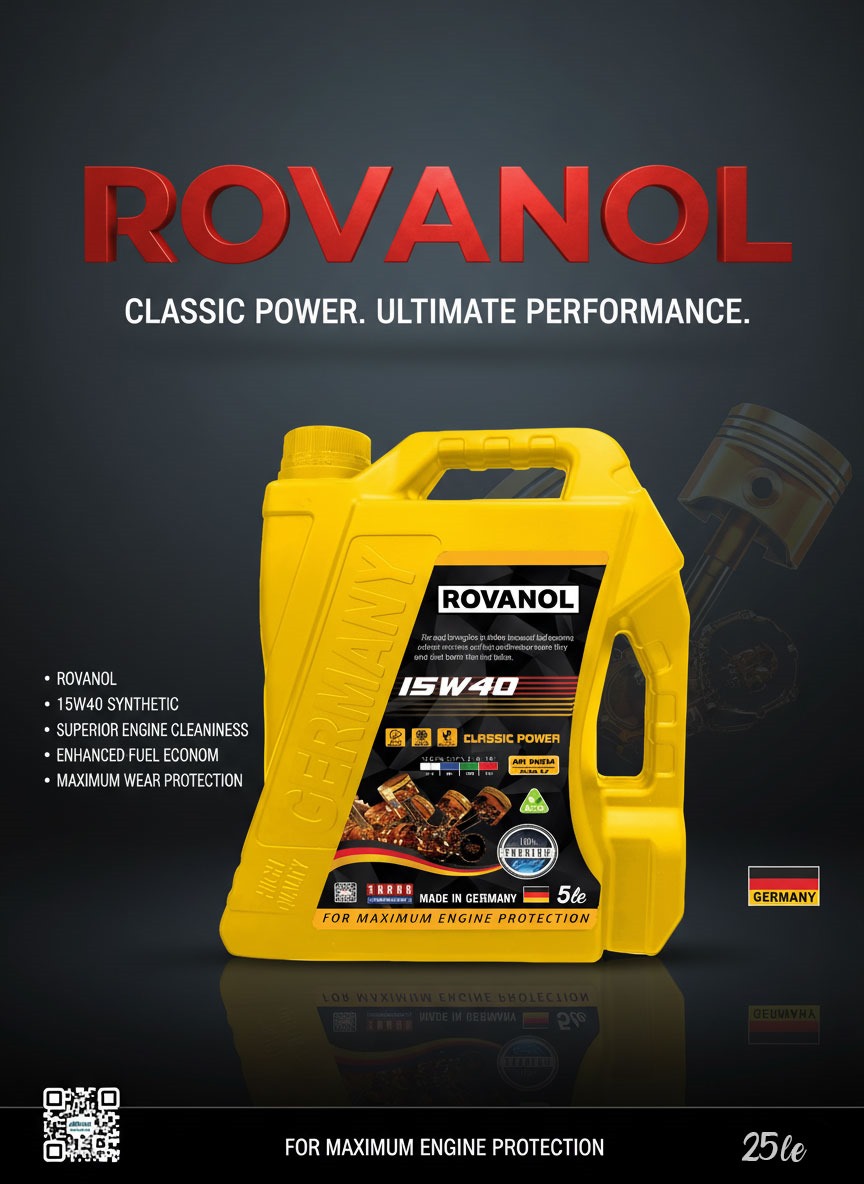
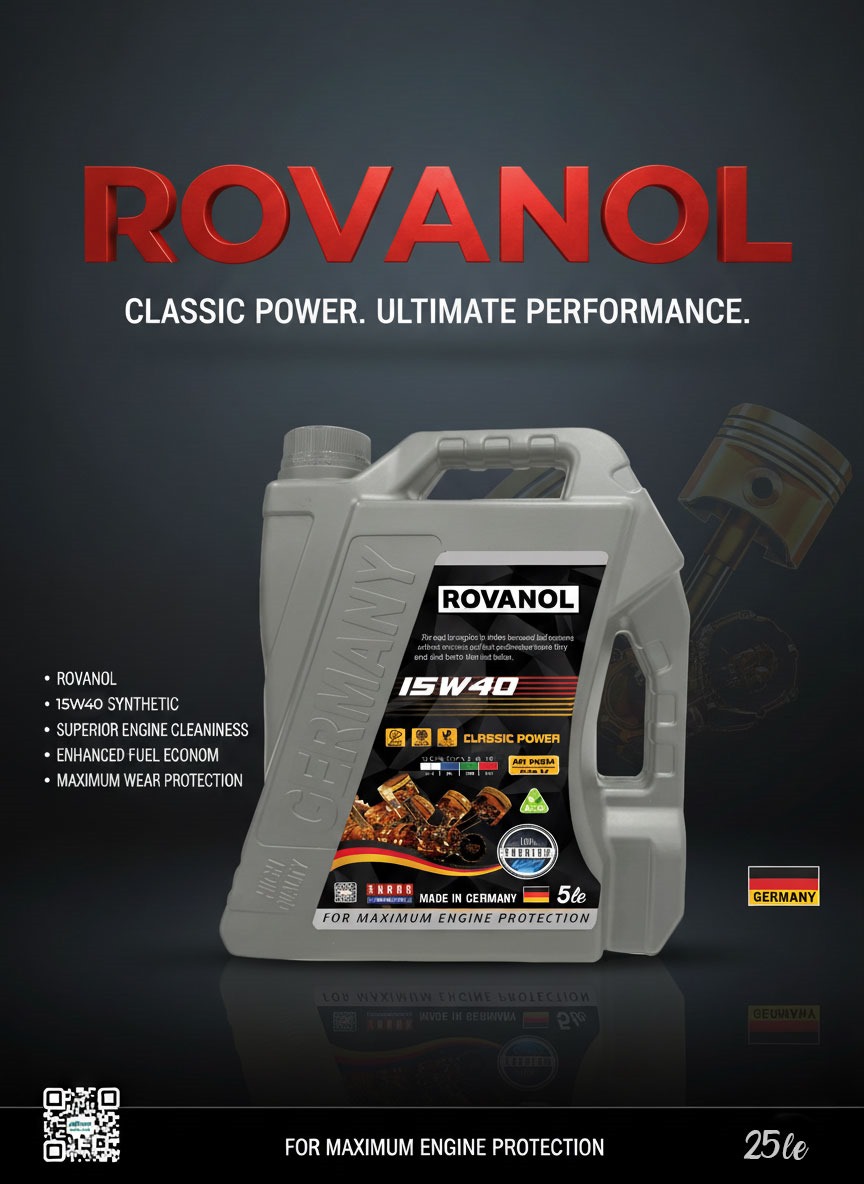
Final Results
Requirements for Granting an Agency Authorization
1. Legal Identification of Both Parties
Commercial registration certificate of the principal company (brand owner).
Commercial registration certificate of the applicant (agent or distributor).
Tax identification number or VAT certificate.
Valid business license related to the product category.
2. Official Agency Agreement
A formal legal document signed by both parties, clearly stating:
Full legal names and addresses of both parties.
Type of agency (exclusive or non-exclusive).
Geographical territory covered by the agency.
Duration of the agreement (typically 1–5 years).
Rights and obligations of both parties (promotion, sales targets, after-sales support, etc.).
Pricing and supply policy (minimum order quantities, payment terms).
Renewal and termination conditions.
Dispute resolution method (applicable law, arbitration, or court jurisdiction).
3. Brand and Marketing Authorization
Written permission to use the brand name, logo, and marketing materials.
Clear brand identity guidelines to ensure consistent presentation.
4. Financial Guarantee (if required)
A refundable security deposit or bank guarantee may be requested to ensure business commitment.
5. Logistics and Supply Conditions
Definition of shipping and delivery terms (Incoterms).
Responsibilities for customs clearance, transportation, and insurance.
Return and replacement policy for defective or damaged goods.
6. Supporting Documents
Trademark registration or ownership certificate.
Official product catalog or technical data sheets.
Quality and compliance certificates (e.g., ISO, API, SAE standards).
7. Legalization and Certification
The agency agreement must be notarized or authenticated by the Chamber of Commerce.
For international agencies, legalization by the embassy or consulate of the brand’s country may be required.
Official translation into the language of the country where the agency will operate.
Summary
Granting an official agency requires transparency, documentation, and mutual trust between both parties.
It ensures protection of the brand’s image, clear responsibilities, and a stable long-term business relationship.